



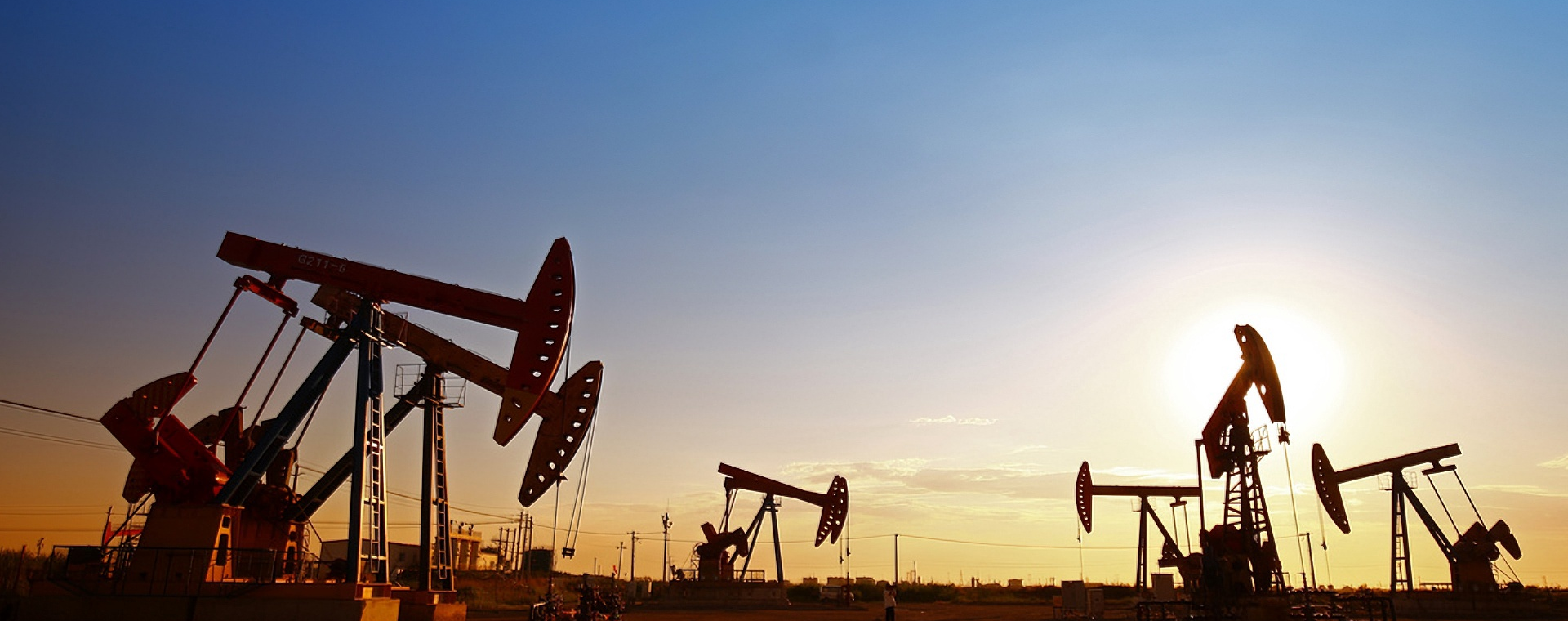
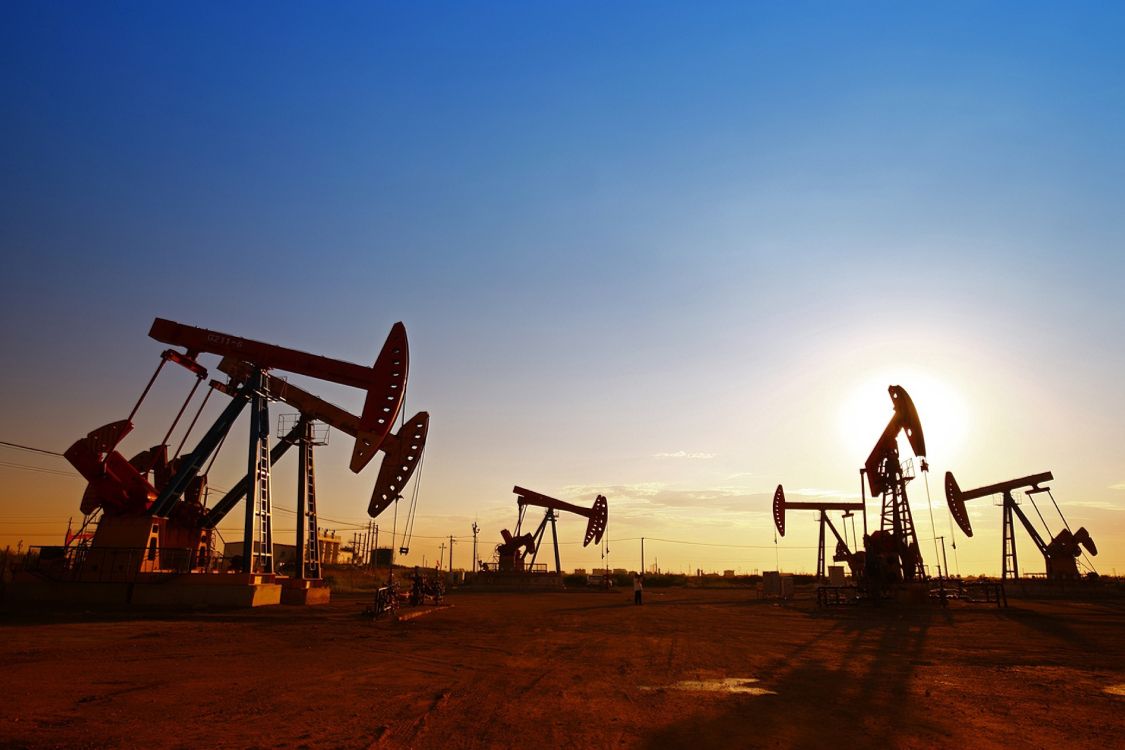
Oil and gas exploitation


Oilfield associated gas recycling
The oil and gas extraction industry faces many challenges today:
Solutions for clean utilization of low calorific value air resources at oilfield transfer stations and joint stations
In the heavy oil transportation link of the oilfield transfer station and joint station, the gas turbine recovers low-calorific value air for power generation to meet the electricity consumption of oilfield production.
At the same time, the high-temperature flue gas generated by the gas turbine is converted into hot water to heat the heavy oil to reduce its viscosity, helping oilfield enterprises save energy and increase efficiency, reduce emissions and reduce carbon emissions.
At the same time, the high-temperature flue gas generated by the gas turbine is converted into hot water to heat the heavy oil to reduce its viscosity, helping oilfield enterprises save energy and increase efficiency, reduce emissions and reduce carbon emissions.
Technical Processes
Unit Configuration
| Type | Accompanying energy | Supporting units |
| Transfer Station/Transfer Station/Union Station | 1500~3500Nm3/day | E135 series gas turbine |
| 3000~10000Nm3/day | E390 series gas turbine | |
| 15000~70000Nm3/day | E2100 series gas turbine |
Solution Advantages and Features
-
Fuel adaptabilityAssociated gas and low calorific value gas can be used
-
Adjustable heat/electricity ratioAdapt to the changes in heat demand in different seasons of the oilfield
-
Environmentally friendlyDischarge cleaning does not require denitrification equipment, low noise
-
Smart and convenientRemote monitoring, one-click start-stop fault warning
Application Cases
A joint station in Tuha Oilfield, Xinjiang, has a low calorific value air discharge recycling project
EGT4 micro-combustion engine cogeneration project of a joint station in Tuha Oilfield: using the low calorific value generated by gas flooding and oil recovery in the oilfield to release air to generate electricity, avoiding environmental pollution and waste of resources caused by direct ignition of torches. The waste heat of the gas turbine generates hot water to heat crude oil, replacing the original electric boiler and reducing energy costs.
Economic value:
reduction of direct energy expenditure and increase in revenue; conversion of air into energy assets;
Environmental value:
carbon emission reduction is explicit, and the collaborative treatment of pollutants eliminates NOx emissions from torch combustion; it has become a typical case of oilfield emission reduction;
Operational value:
energy cascade utilization; strengthen energy security and reduce unplanned shutdowns caused by grid fluctuations.