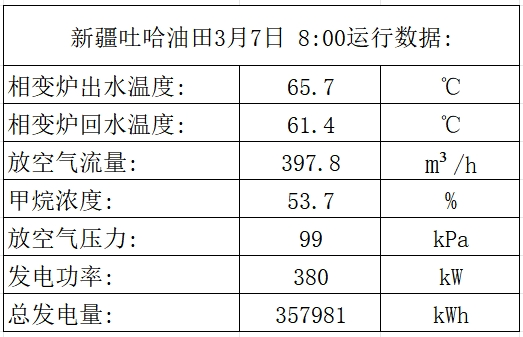



Reuse of low calorific value moisture in oil and gas fields, ENN power micro-combustion engine helps oilfields reduce costs and increase efficiency!
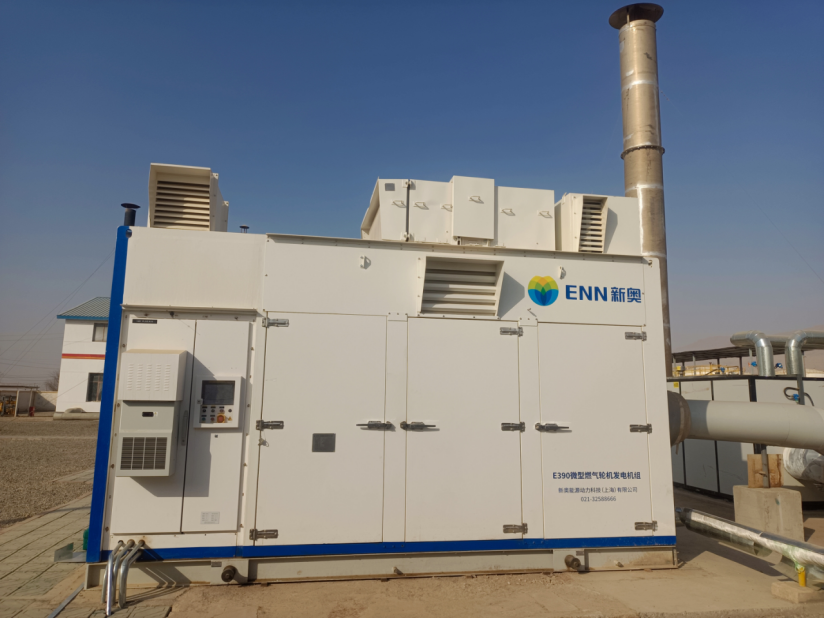
On November 30, 2023, the E390 micro-combustion turbine cogeneration project of Luzhong Joint Station in Tuha Oilfield was officially put into operation. After the project is put into operation, it is expected that the total power generation will be 2.224 million kWh/year, and the waste heat heating can save 1.789 million Nm3/year of pipeline natural gas and reduce carbon dioxide emissions by 821.56 tons/year. The successful delivery of this project is another successful case of ENN Power's micro gas turbine in the oilfield industry, further promoting energy conservation, emission reduction and sustainable development in the oilfield industry.
With the growing global demand for energy, the oilfield industry is facing great challenges. In order to increase production capacity, reduce costs and reduce environmental pollution, oilfield companies are actively seeking innovative energy solutions. As an efficient and environmentally friendly energy equipment, micro gas turbines have been widely used in the oilfield industry. Micro gas turbines will generate a large amount of exhaust gases during the extraction and transportation process, and micro combustion engines can use these exhaust gases for cogeneration and turn waste into treasure to achieve energy recycling. This can not only reduce energy consumption and improve comprehensive energy utilization efficiency, but also reduce exhaust emissions and reduce environmental impact.
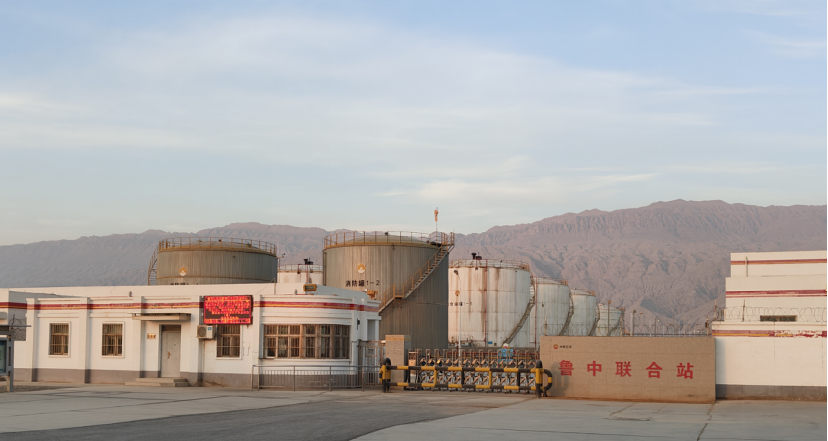
The Luzhong Joint Station is located in the Luqin Oil Production Management Area of Tuha Oilfield, which uses 2~30 million cubic meters of natural gas for oil production every year. Combined with the resource endowment of the oil production management area and the electric heat demand of the joint station, ENN Power adopts a cogeneration system with E390 micro-combustion engine as the main equipment, using the venting associated gas as fuel, and outputting electricity and heat for the joint station, so that the combustible gas that was originally emptied and wasted is turned into treasure, saving a large amount of pipeline natural gas consumption, and reducing the electricity cost of the enterprise, and realizing the local conditions of energy supply and utilization.
The person in charge of the infrastructure equipment center and equipment business of the Rukeqin Oil Production Management Zone of Tuha Oilfield Company said:
ENN Power's micro-combustion engine equipment has achieved the expected results in its overall operation, effectively solving the problem of recycling and utilizing air resources in the natural gas huff and discharge process of the oilfield, turning waste into treasure, and cogeneration. As the demand for micro gas turbine solutions in the oilfield industry continues to grow, it is expected that ENN Power can continue to provide more efficient, environmentally friendly and intelligent solutions, and work together to contribute to the sustainable development of the oilfield industry.
In the future, ENN Power will continue to provide customers with stable, reliable, technologically advanced, and cost-effective micro and small gas turbine products and solutions with technology as the core. Continuously deepen scenario applications and product optimization, promote the transformation of various industries to green, low-carbon and intelligent, and use technology and intelligence as the engine to help China achieve the goal of carbon peak and carbon neutrality, and drive the high-quality development of various industries.
Project Introduction<<
Tuha Oilfield Luzhong Joint Station E390 Micro Combustion Turbine Cogeneration Project
System composition: 1 E390 gas turbine + 1 500Nm3/h compressor + 1 1600kW waste heat vacuum phase change furnace
Delivery time:November 30, 2023
Cumulative runs:1366 hours
Customer value creation:The total power generation is expected to be 2.224 million kWh/year; the pipeline natural gas savings are 1.789 million Nm3/year; carbon dioxide emissions are reduced by 821.56 tons/year;